Level guide · checked 2026-08-05
XStep
XStep is the tenth main level and the first Insane-difficulty level. Its route alternates cube, ball and ship sections, then uses gravity pads and rings to turn a familiar jump into a timing-and-positioning problem.

Outline
Level reference
At a glance
| Fact | Reference |
|---|---|
| Level order | 10th main level |
| Difficulty | Insane |
| Reward | 10 stars · 275 orbs |
| Forms | Cube · Ball · Ship |
| Secret coins | 3 |
| Approx. length | 84 seconds |
Guide section 01
Read the route as eight short chapters
The official sequence moves from cube to ball to ship, returns to cube, then alternates ship, cube, ball and ship again. That makes XStep easier to practise as a route map than as one uninterrupted song. Mark the portal that starts each chapter, then learn the first two inputs after the transition before worrying about the exit.
Guide section 02
Gravity pads and rings are the real lesson
XStep introduces cyan gravity tools in later sequences. A pad changes the next jump's trajectory, while a gravity ring asks for an input in the air. Keep the visual trigger in view and avoid adding a second correction immediately after it; the most common practice mistake is treating a gravity change like an ordinary jump.
Guide section 03
A coin-first practice order
The first coin is a ship detour around 21%, the second is a ship drop around 53%, and the third is a cube route around 59%. Learn the nearby main route first, then add one detour at a time. The third route is short but punishes an early jump near the small spike, so practise the entry cue rather than repeating the whole level.
Guide section 04
Make the soundtrack a confirmation, not a crutch
XStep's music can help confirm a beat, but visual spacing still wins when the device, audio latency, or browser performance changes. If the beat and the obstacle disagree, follow the obstacle and use a short practice loop to recalibrate.
Visual reference
XStep in pictures
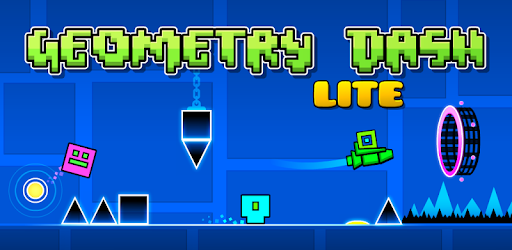
Gameplay reference
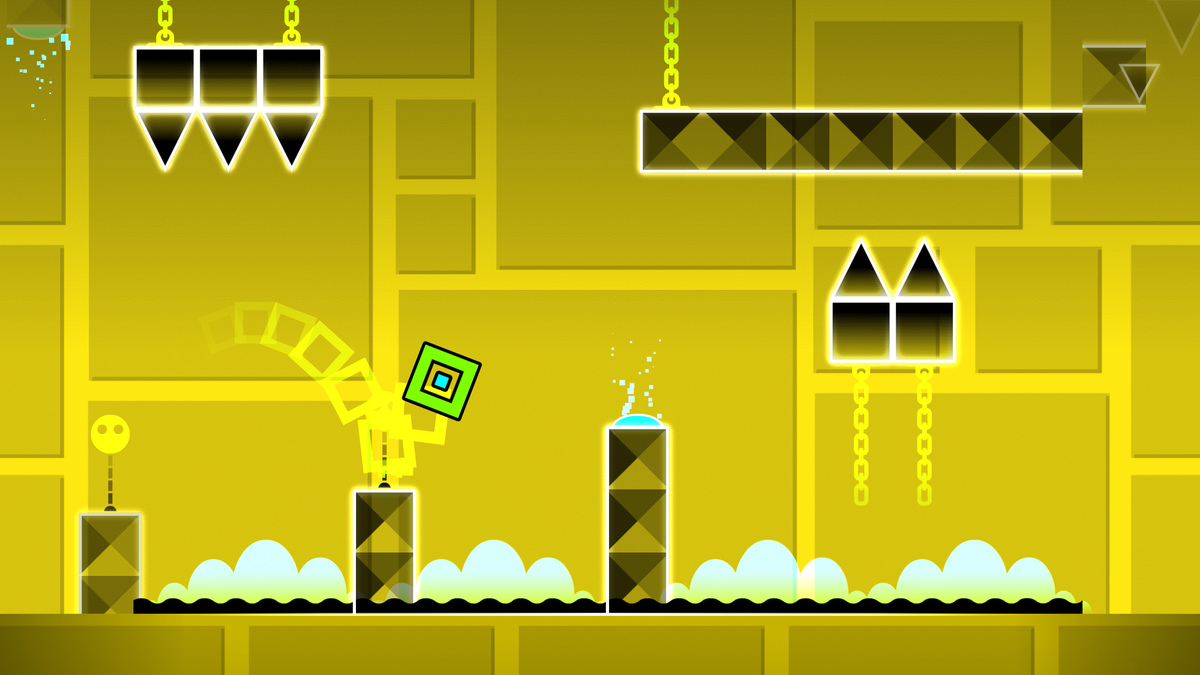
Gameplay reference: use the platform spacing and gravity cues as the visual timing signal.
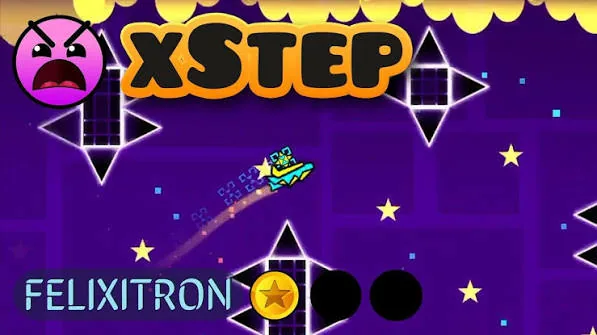
Gameplay reference
Level reference thumbnail: the ship section and coin route are distinct from the main hero art.
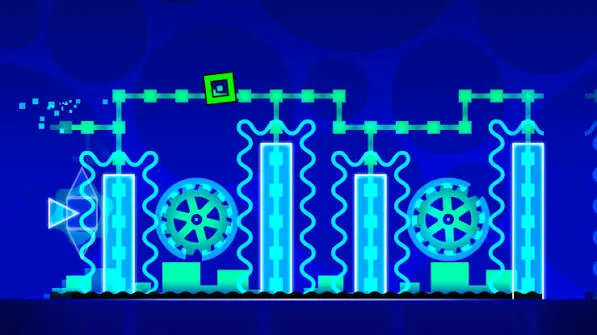
Gameplay reference
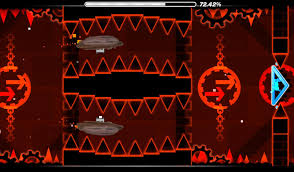
Gameplay reference: a second visual section for comparing portal and obstacle patterns.
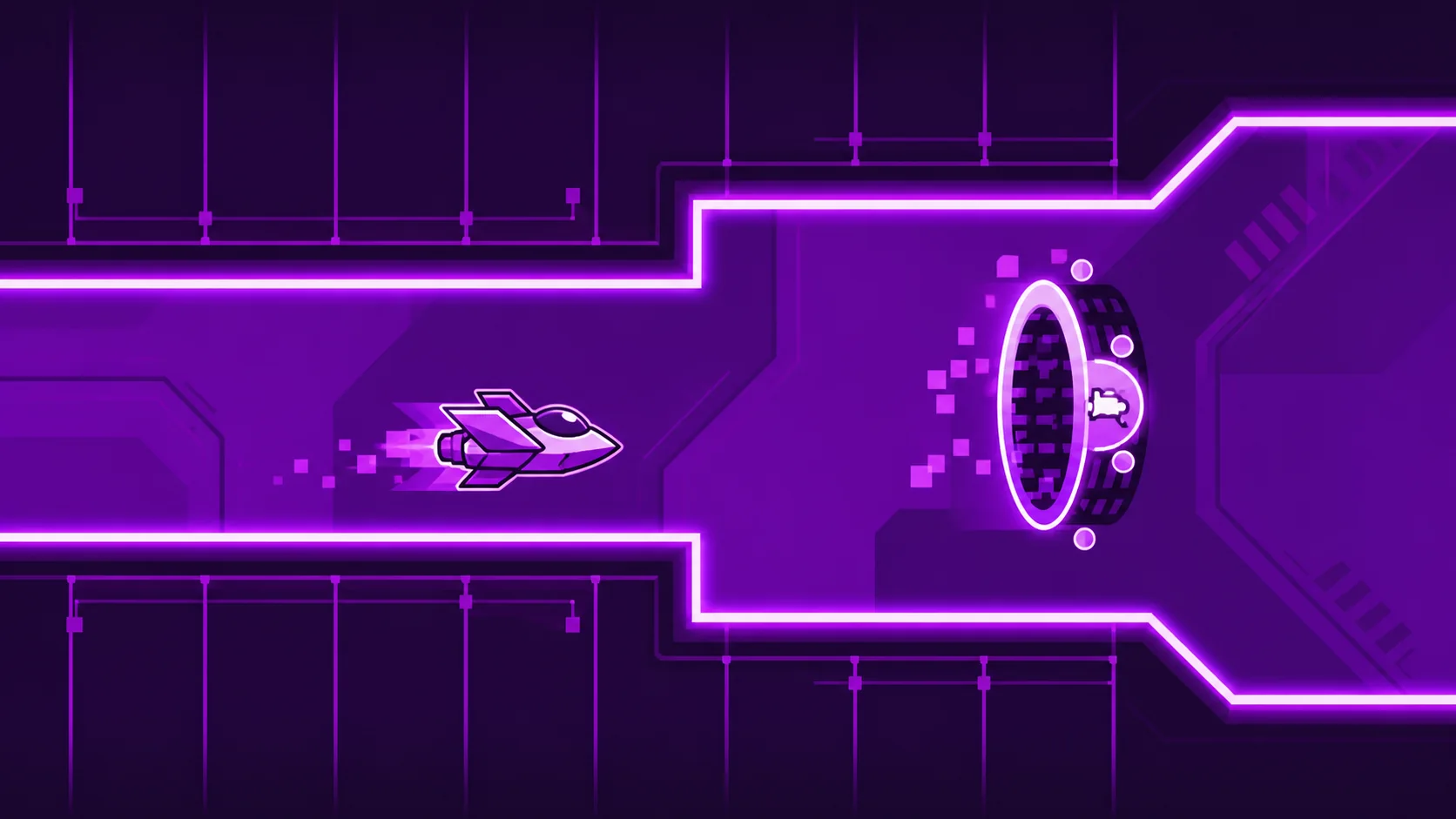
Original illustration
Original editorial ship-control illustration for orientation; it does not claim an exact percentage or coin route.
Media note: original illustrations are labelled as editorial orientation. Gameplay references require a retained source and attribution record before public release.
Route reference
Secret coin routes
01
Around 21% · ship
Secret Coin 1
After passing beneath two pit obstacles, fly over the next thorn pit and fall slightly into the opening for the coin before rising to clear the next structure.
Watch for: The route is a narrow entry-and-exit. Learn the fall and immediate rise together.
02
Around 53% · ship
Secret Coin 2
As the passage rises for the second time, drop through the gap in the structure, rise inside it for the coin, and exit before the sequence ends.
Watch for: Dropping too early misses the passage; dropping too late leaves no room for the exit.
03
Around 59% · cube
Secret Coin 3
After the third gravity pad, jump near the small spike, hit the gravity ring as the cube falls upward, and collect the coin before returning to the main route.
Watch for: The small spike is part of the cue. Do not jump early just because the coin is visible.
Practical checklist
How to practise XStep
Use portal boundaries as practice checkpoints.
Separate gravity-pad timing from ordinary cube jumps.
Learn the main route before adding the 21%, 53%, and 59% coin detours.
Use the visual obstacle as the final authority when audio and browser timing feel different.
Device note
A browser, phone, and desktop can present different audio or input latency. The guide deliberately describes cues and route decisions instead of claiming a universal timing window.
Questions players ask
XStep FAQ
What level number is XStep?
XStep is the tenth main level and the first main level with an Insane difficulty.
How many coins are in XStep?
XStep has three secret coins, located in the ship and cube sections around 21%, 53%, and 59%.
What forms appear in XStep?
The documented route uses cube, ball, and ship sections, with gravity tools in later sequences.
How should I practise XStep?
Use the portal boundaries as checkpoints, learn the first inputs after each transition, and add coin detours only after the main route is repeatable.
Can I play XStep in the browser?
The playable entry is the Geometry Dash Lite page on DashedUp. This route provides the reference layer and links back to that stable game panel.
Evidence trail
Sources and scope
Facts and route positions were checked against the linked references on 2026-08-05. This is an independent fan reference and does not claim that the exact community level is embedded in Geometry Dash Lite.
Keep exploring
More references and tools

Nine Circles
Nine Circles is a Hard Demon created by Zobros. The original level uses ID 4284013, contains three user coins, and is best known for a fast wave section framed by the red-and-black visual language that later inspired a broad family of community levels. This guide separates stable identity facts from practice advice, maps the main route and all three coin detours, and explains the lineage without turning a changing list position into a permanent claim.
Open reference
Stereo Madness
Stereo Madness is the first main level in Geometry Dash. It teaches the cube, introduces the ship in two short flights, and uses three optional coin routes to reward players who can read an alternate line without losing the main rhythm.
Open reference
Deadlocked
Deadlocked is the twentieth main level and a Demon-level milestone. It stacks wave, UFO, robot, teleportation and dual transitions into a run where learning the next cue matters more than reacting to the last obstacle.
Open referencePlay next
Practise in a playable game
Open a separate browser game to practise related movement. This recommendation does not claim that the exact level in this article is included.
Browse games